



Spray Dryer Machine for Milk Powder: Why New Zealand Leads the Global Dairy Drying Industry
Spray Dryer Machine for Milk Powder: Why New Zealand Leads the Global Dairy Drying Industry
New Zealand produces only about 2% of the world's raw milk, yet it dominates the global milk powder export market. The country's dairy industry—anchored by Fonterra and supported by a network of independent processors—has built its reputation not just on grass-fed herds and favorable climate, but on advanced dairy processing technology, especially spray drying.
For dairy processors, cooperatives, and investors looking to enter or expand in the New Zealand milk powder market, understanding the role of the spray dryer machine is essential. It is the single most important piece of equipment between fresh milk and the white powder that feeds Asia, the Middle East, and beyond.
Why New Zealand Is the Global Milk Powder Leader
Grass-fed, pasture-based farming: year-round grazing produces milk with a flavor and nutrition profile prized in China, Southeast Asia, and the Middle East.
Export-oriented processing model: over 95% of milk is converted into whole milk powder, skim milk powder, butter, AMF, and cheese.
Scale and efficiency: large sites process millions of liters per day with multiple high-capacity spray dryers running continuously.
Strict quality and food-safety standards: importers in China, the EU, and the US demand low moisture, controlled particle size, and full traceability.
The Role of Spray Dryer Machine in Milk Powder Production
A spray dryer machine for milk powder converts concentrated milk—typically 45–52% total solids after evaporation—into dry powder with approximately 3–5% moisture content. The process is continuous and operates at large scale.
1. Concentration
Fresh milk is pasteurized, standardized, and concentrated in a falling-film evaporator to remove most of the water before spray drying.
2. Atomization
Concentrated milk is pumped to the top of the spray dryer and atomized through a high-pressure nozzle or rotary disc. Droplet size directly influences powder particle size, bulk density, and instant properties.
3. Drying
Droplets meet hot air, typically 180–220°C inlet, inside the drying chamber. Water evaporates almost instantly, and powder falls to the chamber bottom or is carried to cyclones and bag filters.
4. Cooling and packaging
The powder is cooled, sieved, and packed under controlled conditions to prevent moisture pickup and caking.
Key Considerations for Choosing a Milk Powder Spray Dryer
| Selection factor | What matters in dairy |
|---|---|
| Capacity / evaporation rate | Think in tonnes/hour of water evaporation, not just powder output. A 5 t/h powder line may need 4,000–5,000 kg/h evaporation. |
| Atomizer type | Pressure nozzles = denser powders; rotary disc = higher capacity and flexibility for large dairy plants. |
| Air distribution & chamber design | Co-current designs reduce wall deposition, scorching, and powder buildup. |
| Powder recovery | Cyclone + bag filter systems; >98% recovery is expected in modern dairy plants. |
| Energy recovery | Exhaust-air heat recovery and optimized inlet/outlet profiles cut cost per tonne of powder. |
| CIP & hygienic design | 316L stainless steel, sanitary welds, HEPA filtration, no dead zones, fast daily cleaning. |
Why Dairy Processors Consider YIBU Spray Dryers
Proven dairy spray dryer range
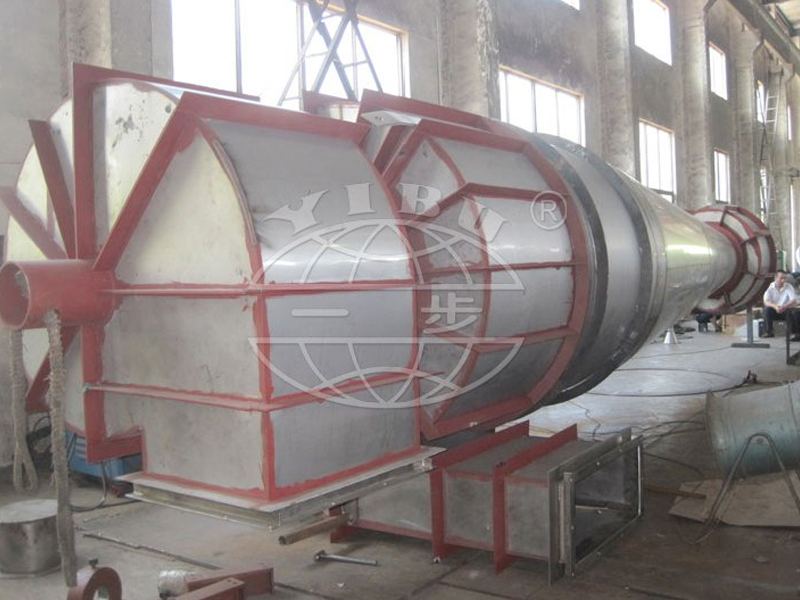
YIBU supplies LPG centrifugal spray dryers and custom dairy configurations for whole milk powder, skim milk powder, whey powder, and infant-formula base powders. Contact parts are available in 304 / 316L stainless steel with sanitary construction.
Flexible capacity
From pilot-scale R&D units to mid-size independent processor lines and large-capacity commercial dairy systems—suitable for cooperatives and new entrants who do not want to pay the European mega-plant premium.
Cost-effective engineering
Rotary atomizers, cyclone + bag filter collection, CIP systems, PLC/HMI control, and export documentation are included as part of a practical, balanced package.
Export experience
YIBU has supplied drying equipment to multiple overseas markets, with English documentation, installation guidance, spare parts, and commissioning support for international dairy projects.
5 FAQs — Milk Powder Spray Dryer
Q1. Can a spray dryer handle both whole milk powder and skim milk powder?
Yes. The process is similar, but solids content, fat content, inlet/outlet temperatures, and powder cooling must be adjusted. YIBU designs lines based on the target milk powder type.
Q2. What evaporation capacity do I need?
Capacity is based on water/solvent evaporated per hour. Feed solids, target moisture, and powder throughput must be known before sizing the spray dryer.
Q3. Rotary atomizer or pressure nozzle?
Rotary discs suit high-capacity dairy plants and flexible feeds. Pressure nozzles give tighter droplet control for specific powder densities and instant properties.
Q4. How important is CIP in milk powder plants?
Critical. Dairy standards require full clean-in-place cycles, sanitary welds, no dead legs, and surfaces that resist bacterial growth and milkstone buildup.
Q5. Can YIBU supply a full turn-key milk powder production line?
Yes. Beyond the spray dryer, YIBU can engineer water treatment, milk reception, mixing, evaporation, drying, fluid bed cooling, sieving, CIP, and packing sections as a customized line.
Conclusion
New Zealand leads the milk powder export market because it turns raw milk into high-value powder with world-class efficiency. The spray dryer machine is the heart of that system—determining powder quality, energy cost, hygiene compliance, and long-term competitiveness.
Changzhou Yibu Drying Equipment Co., Ltd. offers dairy processors a practical path: hygienic design, flexible capacity, export-ready engineering, and lower capital exposure than European-branded mega-plants.